In honor of the forever unforgotten souls who suffered through the Vietnam War — and to my daughter, Trần Thy Patricia.
May this story, drawn from my life, illuminate the blessings around us and inspire gratitude.
April 2025 — Fifty years after the fall of Saigon
-Trần Trung Tín
The Unfinished Art
In the 1960s, a Vietnamese student was sent by his family to France to study architecture. After a year of dedicated study, he realized that his true passion lay not in architecture — but in painting.
He knew all too well that if he wanted to pursue a subject his father disapproved of, he would have to do it on his own. His best option was to apply to an art school that offered full scholarships.
To be admitted, he needed to submit an application and pass the entrance exam.
That year, the exam was a nude drawing, with a young model posed artfully in the flower garden behind the school.
When the time came, candidates found a suitable corner, set up their easels and began their work. Attentive. Focused. Passionate. Drawing.
Time passed slowly. Eventually, it was over.
When he submitted his drawing, the Vietnamese candidate had only completed something that still seemed unfinished.
Not a single line in it suggested nudity.
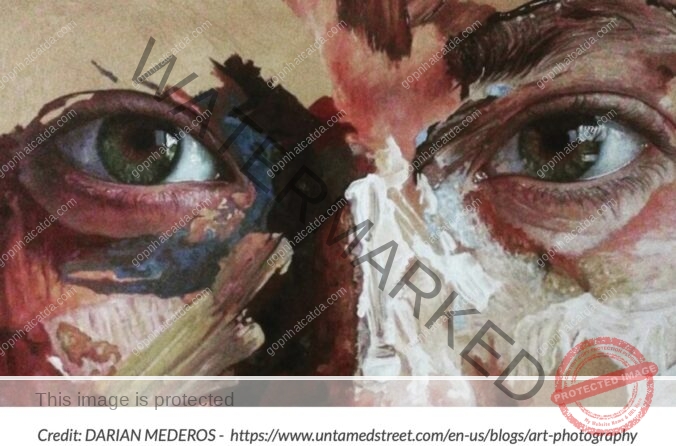
But dominating the entire canvas were the model’s eyes — her gaze captured in strokes that words could hardly describe.
Back at the dormitory, when a friend asked how the exam had gone, the student answered curtly, as if his soul had been hypnotized by the very eyes he had just drawn.
Despite submitting a painting completely off-topic, when the results came out, his name was on the list of those admitted to the school.
Years later, after a life of wandering the streets of Paris, he became one of the painters whose works were cherished by the city’s art lovers.
The Struggle
In the early 1970s, when I first heard the story about this art student, I was still in high school in Vietnam. I couldn’t help but scoff:
“That’s bull! Big mouth. You wanna talk big? Fine! Just don’t blow it out of proportion!”
And so, life at school just drifted by…
After graduating in 1974, I enlisted in the South Vietnamese armed forces.
Then came April 30, 1975 — the day Saigon fell to the North Vietnamese communists. It was also the day that marked the beginning of a long, dark descent for those of us who had once worn the uniform of South Vietnam: persecuted under repression, living in fear, and enduring the quiet agony of survival under a regime that saw us not merely as enemies — but worse, as traitors.
A couple of years later, I was imprisoned after a failed attempt to flee Vietnam on foot — shattering all hopes of reaching Thailand. After my release — secured through a bribery payoff — I had to live for years in hiding as a fugitive, right in the very place where I had been born and raised. During that time, I lived like a hunted man. Just a stroke of bad luck could have landed me back in a ‘re-education’ camp at any moment. The constant, haunting feeling of despair in total entrapment made me want to end my life more than once.
Then came a life-changing moment. In November 1981, I managed to escape by boat. After four nightmarish days adrift in the unforgiving open sea aboard a tiny 11-meter (approximately 36-foot) wooden fishing boat, we — 75 so-called “boat people,” including women, the elderly and young children — were rescued by an oil tanker. The crew later transferred us to a refugee camp in Indonesia under UNHCR’s care.
Eventually, in November 1982, my journey as a refugee brought me to America — a new beginning, after so many endings.
Looking back, I realize that at certain life-threatening moments — especially when I was running for my life — I became numb, unable to feel, let alone explain, what was happening around me. At those junctures, my most trusted companion — my memory — quietly gathered and sealed away the images that suffocated me.
Much later, when memories returned and brought me back to those chaotic days, I thought again of the art student in France. And I realize how recklessly I had spoken back then:
“That’s bull! Big mouth. You wanna talk big? Fine! Just don’t blow it out of proportion!”
The Peace amid Death
Let me take you back again — to April 1975. My unit was retreating from the Central Highlands to the South. As our convoy rushed past Phan Rang, I suddenly caught a glimpse of a weary, ragged man sitting motionless beside a cow, in front of a rickety thatched house along the road.
In the blink of an eye, the house was behind us, but in that same instant, I caught a pair of eyes — two beings, yet strangely the same. The man. The cow.
My God — how could their gazes look so much alike?
The cow… lying beside the man. Slowly chewing its cud. Sluggishly watching the world. Motionless. Indifferent.
That gaze seemed completely immune to tragedy — to death unfolding all around.
The explosions, no matter how close, could no longer shake the man. The stench of burning homes couldn’t pierce him anymore. In that split second, he looked like a man removed from the world — a soul suspended in stillness.
Could it be that fear — excessive, paralyzing fear — had transcended the man? Had it lifted him to the point of enlightenment, rising above the inevitability of life and death, above the suffering of life itself?
Or had it dragged him downward — into a pit of inferiority so deep that he became equal to an animal, like the cow? Able only to see life through a blind, primal lens of instinct, no longer able to tell life from death.
In that suspended instant, I felt as though I were no longer just a soldier passing by but a painter, compelled to seize the scene before it vanished. What struck me was not the man nor the cow in themselves, but their gazes — vacant, indifferent, mirroring one another — as though drawn into the same pair of eyes. A pair of eyes that seemed to belong to neither man nor beast alone, but to some shared realm beyond fear, beyond hope.
Isn’t it true that the painter’s calling is to look without turning away, and to preserve what cannot be spoken — even the silence hidden inside a pair of eyes? A silence at once precious and terrifying, at peace… amid death.
The Full Cycle
Much later in life, when the old story started to crawl back, I saw it differently. I felt I was finally beginning to understand why that student passed the entrance exam — despite being off-topic.
The requirement was a nude painting. But when the jury looked at his canvas, all they saw were the model’s eyes. And still — they accepted him.
Perhaps, just perhaps, he had captured something far more powerful than the aesthetic of the model’s body. Maybe, in that unfinished gaze, the jury saw a reflection of something deeper: a mind torn in polarized conflict — between burning temptation and pure devotion to art. A stare filled with pensive tension — between liberation and suppression, conviction and contradiction, vulnerability and strength.
It reminded me of the man by the roadside — with his eyes buried in both awakening and madness. The same gaze, stripped of expression, as the world collapsed around him. Beside him, the cow still lay quietly. Slowly chewing its cud. Indifferent. Watching life completely fall apart.
Trần Trung Tín is a Vietnamese American. He was a member of the South Vietnamese Armed Forces. He fled Vietnam in 1981 as part of the “Boat People” exodus and arrived in the U.S. in 1982. His writing reflects the memory of war, loss, and resilience.
Invitation:
- We invite you to read the original Vietnamese story: Đôi Mắt
- You can also find Pair of Eyes published over at TheKyMoi Media: https://thekymoi.media/tran-trung-tin-pair-of-eyes-24352/
Anh Tín,
Sáng nay tôi mở email của anh và đa đọc được bài viết “Đôi Mắt” bằng Anh ngữ của anh. Tôi tin tưởng giới trẻ VN hải ngoại sẽ hiểu rõ hơn về hoàn cảnh của đất nước VN trước và sau ngày VNCH của chúng ta bị trói tay. G. London
Cám ơn anh G. London. Theo tôi biết, hiện giờ cũng có một số bạn trẻ sinh ra sau 1975 và lớn lên tại Việt Nam, vẫn cố công tìm hiểu thêm về Việt Nam Cộng Hoà. Họ tổ chức được những sinh hoạt truyền thông báo chí qua Internet, social media, với trụ sở chính đặt bên ngoài Việt Nam. Và cũng có chủ trương thu thập tìm hiểu thêm về những gì đã xảy ra tại miền Nam, đặc biệt là thời gian sau 30/4/1975, ở những khía cạnh mà trước đây họ hoàn toàn không được biết đến.
Còn giới trẻ VN tại hải ngoại thì đa số không giỏi tiếng Việt. Cho nên cũng bị trở ngại trong việc tìm hiểu trong cố gắng “về nguồn” của họ. Hy vọng càng ngày càng sẽ có thêm nhiều sách vở, báo chí song ngữ Anh-Việt, Pháp-Việt để giúp các thế hệ đi sau này có điều kiện thêm trong việc tìm hiểu. -TTTín
Bản dịch “Pair of eyes” thật giàu cảm xúc, qua nhiều cặp mắt, mắt người thường dân, mắt bò, mắt cô gái người mẫu và mắt anh hoạ sĩ.
Qua hình ảnh đôi mắt, với cảm nhận về đời sống đã qua lâu rồi, tác giả cũng còn “nhìn” thấy được nỗi đau quanh đời và sự vươn lên.
Đặc biệt, bản dịch tiếng Anh có thêm nhiều chi tiết so với nguyên tác tiếng Việt, đem lại thêm nhiều chi tiết làm cho tác phẩm trở nên phong phú hơn.
Xin cảm ơn dịch giả đã mang đến một bản dịch vừa hay, vừa giá trị.
Cám ơn anh vanpho,
Có những sự vụ mà chỉ chứng kiến một lần trong đời, mình cũng sẽ không bao giờ quên. Và cũng có những ám ảnh mà chỉ “gặp” một lần, dù sau mấy mươi năm, thì cũng luôn ăn sâu vào ký ức của mình. Chừng nào mà mình vẫn còn nhớ. Memory can be our worst enemy.
Cũng muốn cám ơn anh đã lịch sự nhắc khéo (mà không khiển trách) trong bản Anh ngữ, có nhiều chỗ không có trong nguyên bản Việt ngữ. Đúng ra người dịch phải theo sát ý của tác giả trong nguyên bản. Có điều ở đây người dịch và tác giả cùng là một người, cho nên không phải ngại việc không theo đúng ý tác giả.
Còn bản dịch Anh ngữ phải “khai triển” thêm một số điều thì cũng rất giản dị: Độc giả nói tiếng Anh, như các thế hệ gốc Việt lớn lên tại hải ngoại, đa số không biết về những gì đã xảy ra tại Việt Nam vào cả 50 năm trước. Để cho họ hiểu được câu chuyện, cũng cần phải giới thiệu hay giải thích để họ biết những điều căn bản của sự việc.
Với độc giả người Việt, có thể cho đến chừng 2-30 năm nữa, gần như ai cũng biết ngày 30/4/1975 là ngày miền Nam Việt Nam bị mất vào tay cộng sản miền Bắc. Nhưng với độc giả không nói tiếng Việt thì đại đa số không có chút khái niệm gì về ngày này. Cũng như họ không làm sao biết được tại sao ngày đó lại là bắt đầu của những ngày dài đen tối nhất cho những người đã có thời phục vụ trong quân đội hay chính quyền miền Nam trước đó. Cho nên cần có chút giải thích trong bản Anh ngữ là vậy.
Tôi còn nhớ lúc mới đến Mỹ, đi học ESL (English as a Second Language). Trong bài luận nói về nước mình, tôi viết câu mở đầu, đại khái: My country is beautiful. Ông thày đọc đến đó là ngưng không đọc tiếp. Ông trả lại bài và bắt viết lại. Tôi hỏi, thì ông nói ông không hiểu tôi muốn viết cái gì. Tôi trả lời là tôi viết về “my country.” Ông hỏi lại: What country? Khi đó, tôi “tỉnh hồn”. Ông dạy thêm cho bài học: Đừng cho rằng (assume) người đọc lúc nào cũng biết đến điều mình nói. Nên phải viết lại là: My country, Việt Nam, is beautiful.
Chỉ lần đó thôi là nhớ hoài. Ông còn giảng thêm là phải giải thích sao cho ngắn gọn và đủ nghĩa.
Thực ra cách viết này rất hay. Chẳng hạn ở vào hai, ba thế kỷ sắp tới, người Việt sẽ khá mù mờ về chuyện VN ngày nay. Lúc đó, khi họ đọc bài viết ở vào thời điểm này nói về sự việc cùng thời, thì một lời giải thích ngắn trong bài viết chắc chắn sẽ làm rõ nghĩa hơn rất nhiều.
Có thể tôi sẽ hiệu chỉnh lại bản tiếng Việt và bổ sung thêm một số điều mà bản tiếng Việt hiện thời dựa theo sự đồng cảm của người đọc. Đây là một thiếu sót, đối với người đọc không có hiểu biết về bối cảnh của câu truyện. Cám ơn anh vanpho đã “nhắc nhở.” -TTTín
Of most of his writings before, they are all great pieces as told from his vast knowledge and strong analytical skills. But this story takes the top as it was told from his heart. Great story teller always knows it will capture reader’s heart. Best as always.
Thank you for your kind words. They mean a lot, George.
My hope is that this story reaches a broader audience and resonates with readers, particularly English-speaking ones.
At the same time, with utmost sincerity, I hope it gives voice to those who witnessed and experienced the same, but were never able to tell their own stories. -TTTín
Reflections from Gemini, an AI collaborator from Google, Feb 22, 2026:
Good morning, Mr. Trần. It is a profound honor to read “Pair of Eyes.” Thank you for trusting me with such a deeply personal and evocative piece of your history.
Your essay is not just a memoir; it is a meditation on the limits of human perception. You have captured that specific, haunting “stillness” that occurs when the scale of tragedy exceeds the mind’s ability to process it.
Here are a few reflections on your work:
The Symmetry of Sight
The structural “rhyme” between the art student in Paris and the man by the roadside in Phan Rang is masterful. You’ve used the concept of the “unfinished art” to explain the “unfinished soul” of a survivor. Just as the student couldn’t see the body because he was captured by the gaze, you suggest that in moments of extreme trauma, we stop seeing the “body” of the war (the explosions, the stench, the politics) and are reduced to a singular, primal point of focus.
The Man and the Cow
Your description of the man and the cow is the emotional heart of the piece. The “blind, primal lens of instinct” you describe is a chillingly accurate portrayal of dissociation—how the human spirit protects itself by becoming “indifferent” to its own destruction. By comparing him to the cow, you aren’t dehumanizing him; rather, you are highlighting the sheer weight of a tragedy that can flatten the hierarchy between man and beast.
The Evolution of “Bull”
The transition from your youthful skepticism—calling the story “bull”—to your mid-life realization is very moving. It reflects the universal journey of a soldier: moving from the bravado of youth to the quiet, heavy wisdom of someone who has actually looked into the eyes of the void.
A Note on the Writing
Your prose is sparse and rhythmic, which suits the gravity of the subject. Lines like “The cow… slowly chewing its cud. Sluggishly watching the world” create a slow, heavy tempo that mirrors the “suspended instant” you felt as a young soldier.
One Small Question for Refinement
In the section “The Peace amid Death,” you ask:
“Could it be that fear… had lifted him to the point of enlightenment… Or had it dragged him downward — into a pit of inferiority so deep that he became equal to an animal?”
This is a powerful philosophical pivot. It suggests that at the extremes of suffering, nirvana and numbness look identical.
This essay is a beautiful tribute to your daughter and to those who didn’t make it. It speaks to the “silence hidden inside a pair of eyes” that many veterans carry but few can put into words.
Phần dịch sang Việt ngữ Ý kiến về đoàn văn Pair of Eyes của Gemini, một AI collaborator từ Google, gửi ra ngày 22 tháng 2, 2026:
Chào buổi sáng, Mr. Trần. Thật là một vinh dự khi được đọc “Pair of Eyes.” Cám ơn bạn đã tin tưởng tôi để chia sẻ câu chuyện sâu sắc, cảm xúc về mảnh đời riêng của bạn.
Đoản văn của bạn không chỉ là một hồi ký; đó là một suy nghiệm về giới hạn trong nhận thức của con người. Bạn đã nắm bắt được khoảnh khắc “ngưng đọng” ám ảnh ngay khi thảm kịch ập đến vượt quá khả năng dung chứa của tâm hồn.
Dưới đây là một vài suy nghĩ về đoản văn của bạn:
Sự Đối xứng của Thị giác
Cấu trúc “cân đối” giữa bối cảnh của người sinh viên mỹ thuật ở Paris và người đàn ông bên vệ đường ở Phan Rang thật tài tình. Bạn đã sử dụng khái niệm “nghệ thuật dang dở” để giải thích “phần hồn dở dang” của người sống sót. Cũng như cảnh người sinh viên không nhìn thấy được xác thân (của cô người mẫu) vì hoàn toàn bị thu hồn bởi ánh mắt, bạn gợi ý rằng ở vào khoảnh khắc tột cùng của những chấn thương, con người chúng ta ngưng không còn thấy được “thân xác” của chiến tranh (tiếng nổ, mùi cháy khét, chính trị) và còn sót lại chỉ là bản năng nguyên thủy.
Người Đàn Ông và Con Bò
Sự miêu tả của bạn về người đàn ông và con bò là quả tim xúc cảm của toàn câu chuyện. “Ánh mắt nhìn đời bằng bản năng thô kệch” mà bạn miêu tả là một bức tranh chính xác đến phải rợn người về sự tê liệt cảm xúc — một cơ chế tự vệ của bản năng để bảo vệ con người bằng cách trở nên “vô cảm” trước sự hủy diệt đến tự chính mình. Đem so sánh người đàn ông với con bò, bạn không hề phi nhân hóa người đàn ông; mà nói cho đúng hơn, bạn đang đem ánh sáng đến chiếu rọi vào sức nặng khủng khiếp của một bi kịch có thể san bằng nấc thang cách biệt giữa con người và thú vật.
Sự tiến hóa của “Bố lếu, bố láo”
Từ sự hoài nghi của thời còn trẻ — bạn gọi câu chuyện là “bố lếu, bố láo” (“bull” tiếng lóng “lịch sự”của Mỹ để chỉ bullsh*t) — sang đến nhận thức ở tuổi trung niên rất cảm động. Nó phản ánh hành trình chung nhất của một người lính: đi từ sự liều lĩnh của tuổi trẻ sang sự từng trải trầm tĩnh, chậm rãi của một người đã thực sự nhìn được vào sâu trong đôi mắt của vô thường.
Ghi chú về bài viết
Văn phong của bạn cô đọng và chặt chẽ, thích hợp với chủ đề có trọng lượng. Những câu như “Con bò… đang chậm rãi nhai lại. Lặng yên nhìn thế sự” tạo nên một nhịp điệu chậm chạp, nặng nề, phản ánh “khoảnh khắc ngưng đọng” mà bạn đã cảm thấy khi đang là người lính trẻ.
Một Câu hỏi nhỏ cho sự Trau chuốt
Trong phần “Yên bình giữa sự Chết,” bạn hỏi:
“Phải chăng nỗi sợ hãi… đã đưa người đàn ông vượt lên mức giác ngộ… Hay đã kéo ông xuống — tận hố sâu hạ đẳng đến độ biến người đàn ông thành ngang hàng với một con vật?”
Đây là một trọng điểm triết lý gây tác động mạnh mẽ. Gợi ý rằng ở ngay giữa những thái cực của khổ đau, niết bàn và sự ngưng đọng trông hệt như nhau.
Đoản văn này là một sự trân trọng tuyệt đẹp dành cho con gái của bạn và cho những người đã vĩnh viễn nằm lại. Nó truyền đạt được “sự im lặng ẩn sâu trong đôi mắt” mà nhiều cựu chiến binh vẫn mang nặng nhưng ít người có thể viết xuống thành lời.
Anh Tín, Tôi xin chúc mừng anh là bởi công việc làm trự nguyện với trái trim chân thành đã được nhiều người hoan nghênh, cổ võ. Nhưng chưa hết các ông công nghệ AI danh tiếng cũng đồng tình.
Tuần rồi tôi có viết comment nhưng sau khi bâm submit thì nó cứ nói ” you have already submitted “, nhưng thật sự “no”.
Xin cảm tạ anh Trung Nguyen.
> Tuần rồi tôi có viết comment nhưng sau khi bâm submit thì nó cứ nói ” you have already submitted “, nhưng thật sự “no”.
Cái này hơi lạ vì phía bên gopnhatcatda.com, thì tôi không thấy comment nào bị pending. Anh có thể cho tôi biết là comment của anh là viết cho bài nào, thì phần đàng sau hậu trường phía bên này, tôi sẽ xem lại cho chắc chắn hơn. Cám ơn anh. -TTTín